Rubik's cube: slide the side, take 2

python maths making cube electronics nablopomo ledpanel
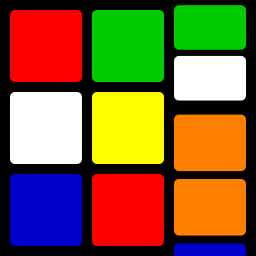
A still frame of the animation: the right-hand edge of the cube is part way being rotated towards the user. The coloured squares that are rotating into view are smaller vertically, because of the angle at which they are to the user.

I previously posted about a prototype animation I'd done for a potential large, illuminated Rubik's cube project.

That animation moved the side as if there were a ribbon wrapped all around the cube (well, that slide of it), with the colours painted on it: as the ribbon slides round the cube, the "old" colours disappear and the "new" ones appear, but they all stay the same size. Can we make it more realistic?

Read more...
SAM2695 module

midi nablopomo

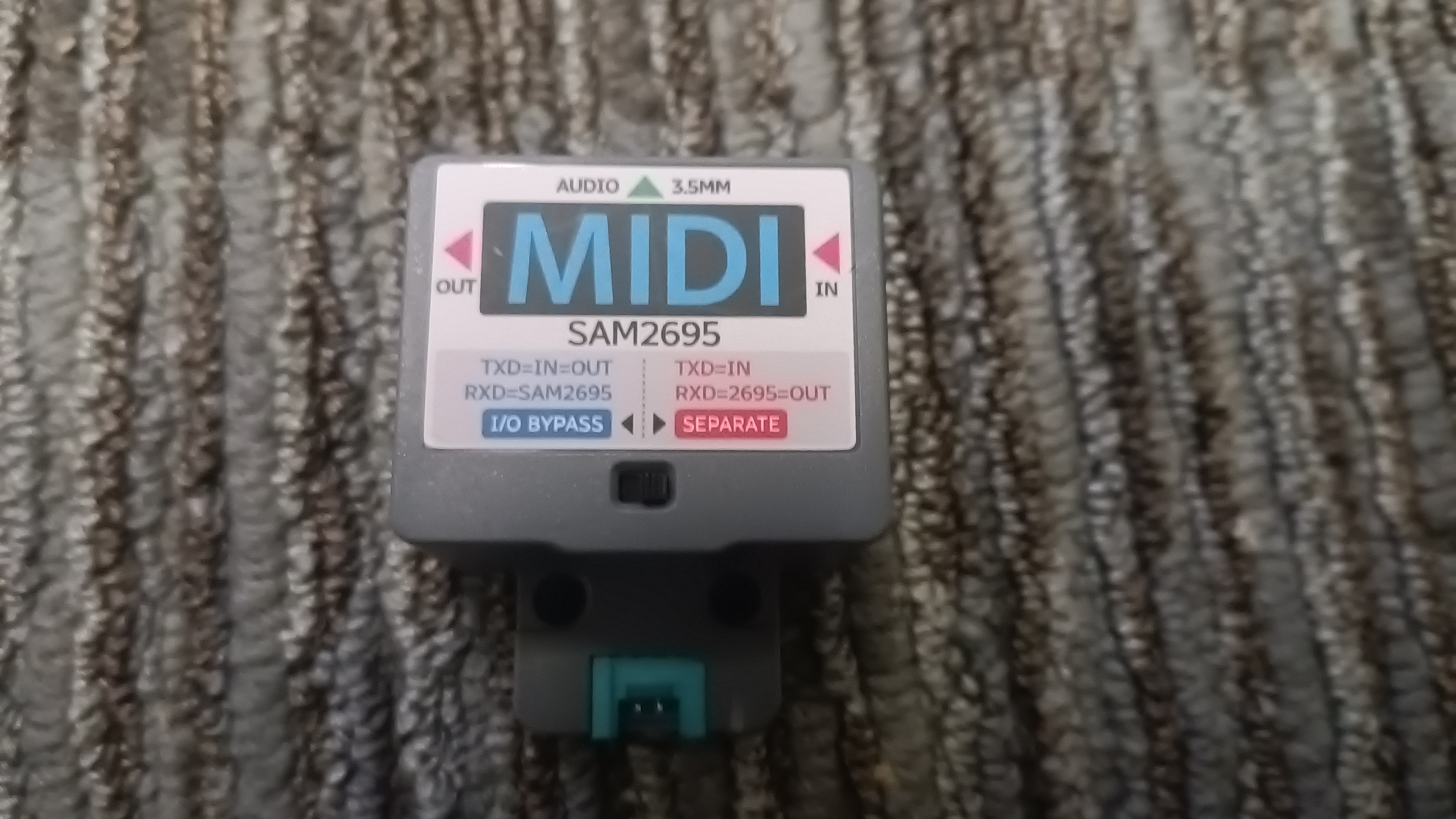
The SAM2695 module, viewed from the top. It has arrows pointing to the connectors for MIDI in/out, and audio 3.5mm. There is also a green power/UART connector at the bottom.

I've written before about needing some MIDI sound modules, and about one of the ones I ended up getting, the M-VAVE FM-1. Let's take a look at the other, the SAM2695 module from M5.

Read more...

FX35 Load tester

raspberrypi fan nablopomo poe

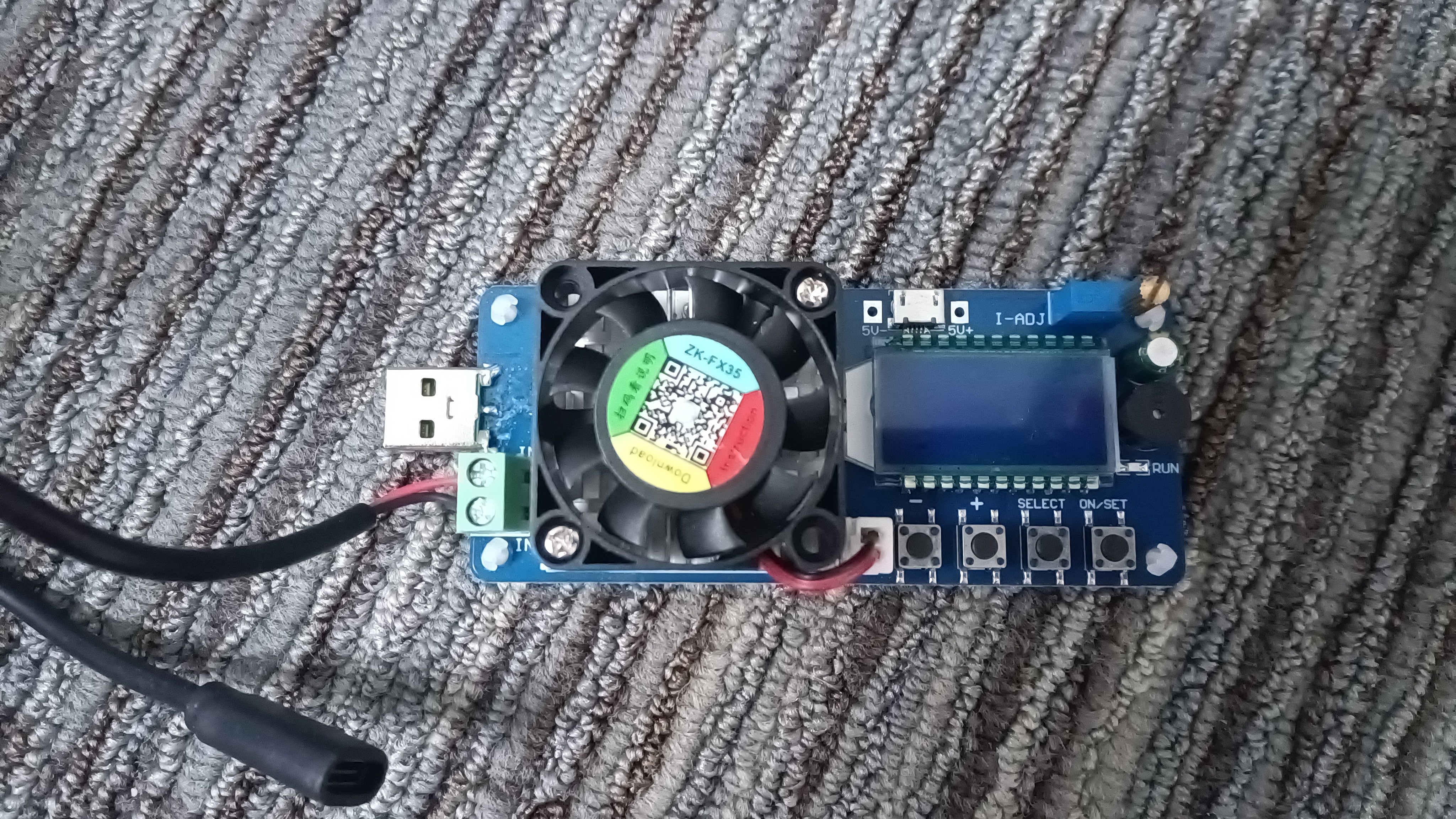
A picture of the load tester. It is a blue circuit board, about 4cm high by 12cm wide, with a square black fan over a heatsink on the left, and a blue backlit liquid crystal display and four buttons on the right. There are some cables going in and out, and there is a small gold knob on top of a blue box.

I've written previously about my desire to find a good PoE adapter for the Raspberry Pi 5, and some of the equipment I'll use for this. One thing that'll be very important is being able to vary the load we place on the power supplies in a controlled way, so that we can measure how well they do. Using an actual Pi for this isn't very convenient, as it tends to just draw however much it needs - and it's likely to be incredibly tricky to get it to do just enough thinking to draw a certain amount of power from the supply.

Enter the load tester...

Read more...

Key Light Back

elgato nablopomo keylightair

Elgato Key Light Air

I wrote previously about the fact that my Elgato Key Light Air had stopped responding to my phone. I have an update.

Read more...

Fnirsi FNB-58

raspberrypi nablopomo poe

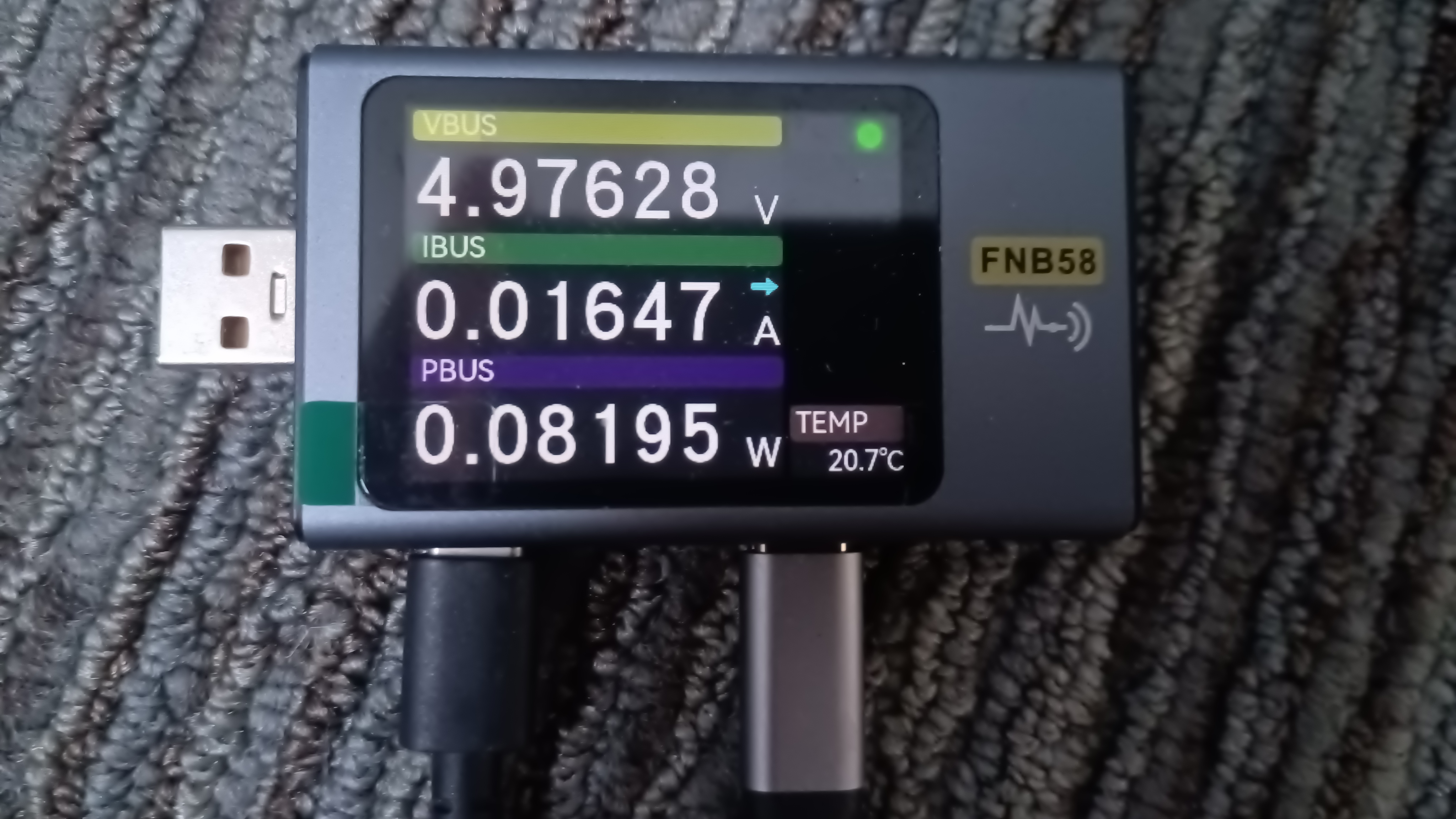
A photo of the FNB58, with USB-C cables going in and out. The display reads "4.97628 V, 0.01647 A, 0.08195 W".

I've written previously about my quest to find the ideal PoE power supply for a Raspberry Pi 5. This is one of the devices I'll be using for measurements.

Read more...

Elgato Key Light (sadly off) Air

nablopomo elgato mdns keylightair

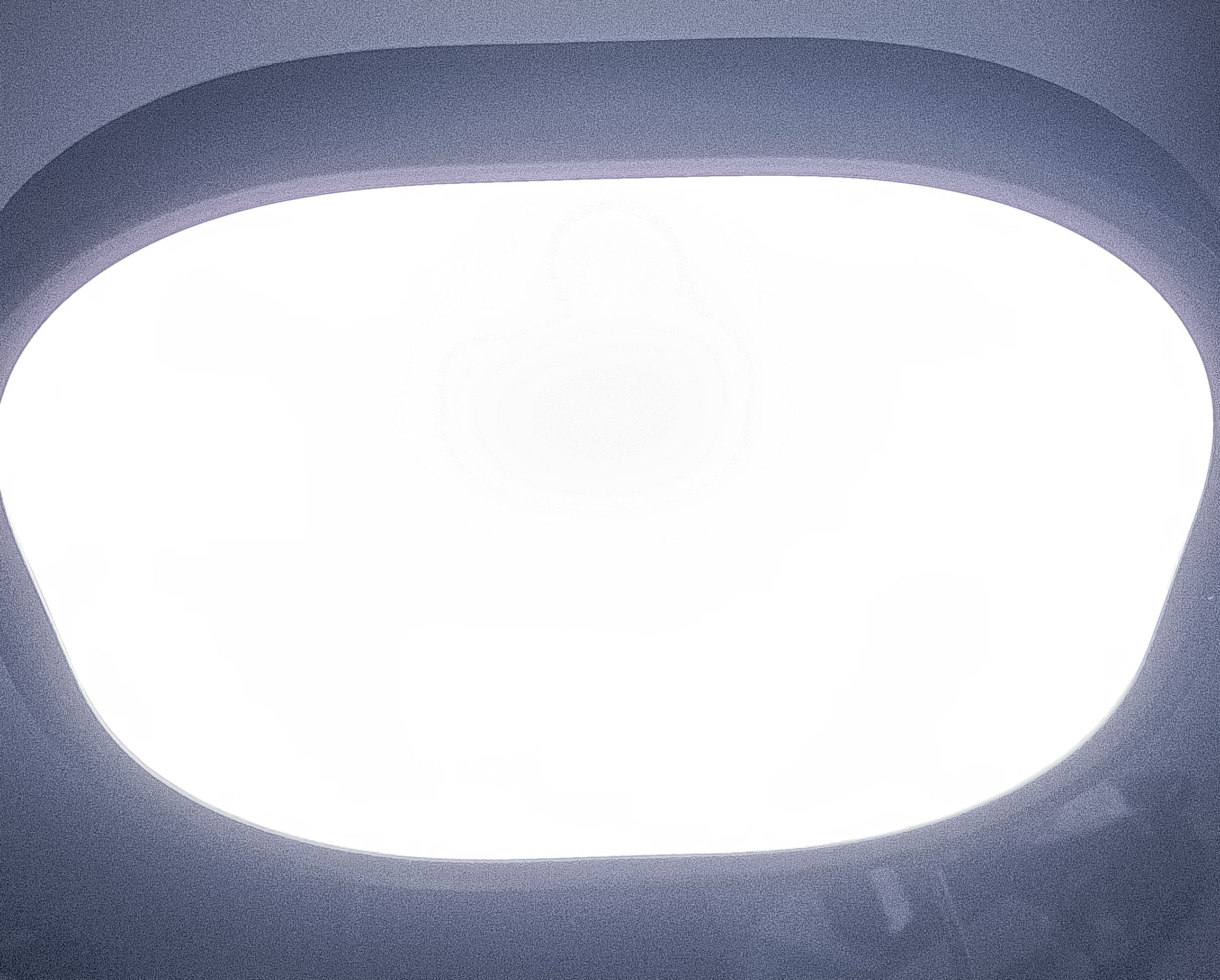
A photo of the Key Light Air. It is on, and it is bright, so it appears as a (tilted) square of white with rounded corners, and the background is largely black due to being underexposed.

Back in the early days of the pandemic, when it became clear I was going to be spending a lot of my life on video calls, I decided to invest in some decent lighting, so that those in calls with me would have the delight of a clear, bright view of my face.

As part of this I bought a Key Light Air from Elgato. It's basically a well-made, bright but diffuse LED light, of which you can control the brightness and colour temperature. It also has a sturdy stand. I have this light directly pointed at my face, and another bright light pointed at the white wall beside me; between the two sources of light arriving from different angles that gives pretty decent illumination - bright, but not to shiny and without sinister shadows. And largely without dazzling me, either, which I appreciate.

It is a solution that has worked very well for years. But, a couple of days ago, it stopped working...

Read more...

Welcome to Glasgow

python electronics amaranth nablopomo glasgow

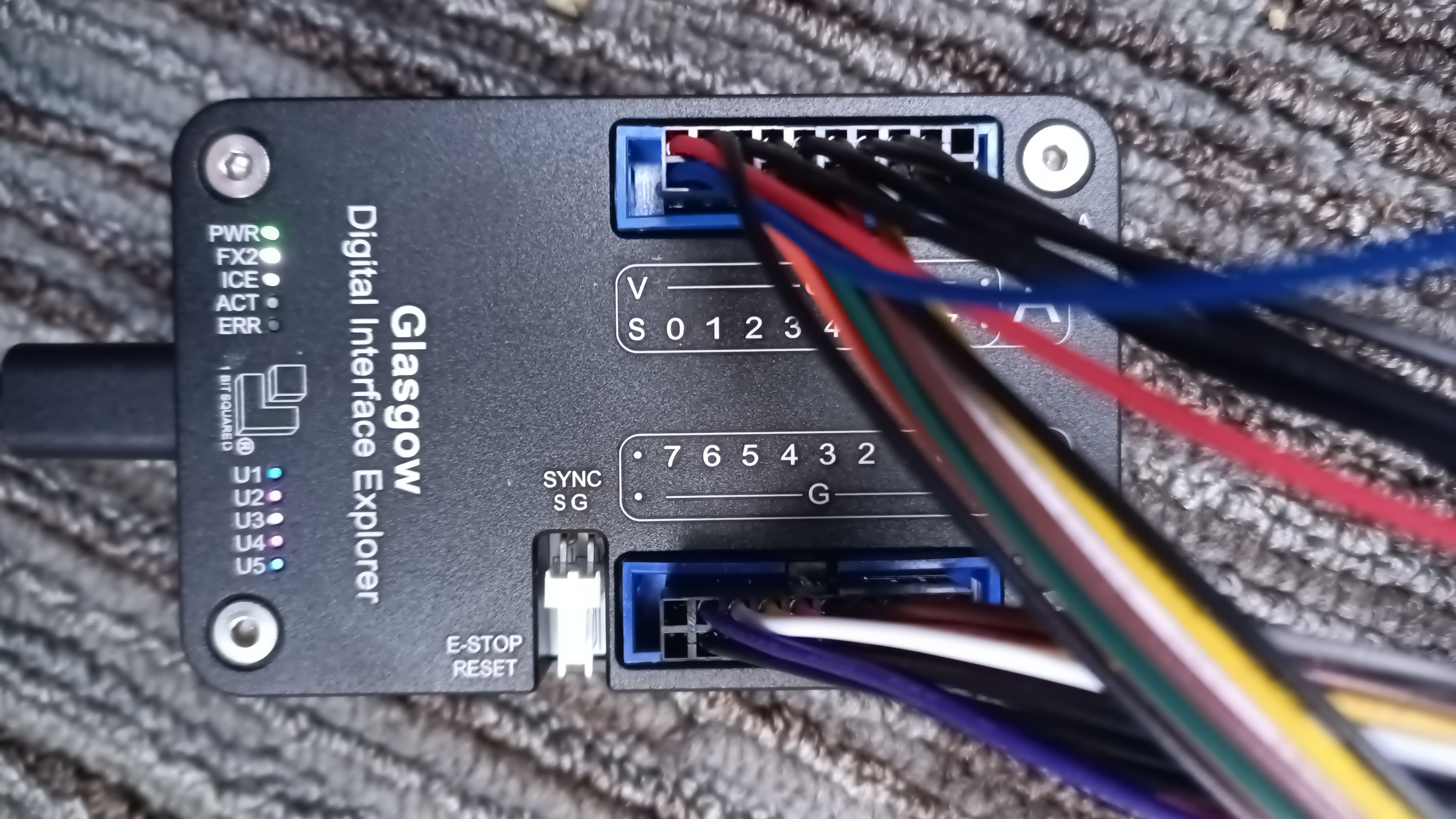
A Glasgow Interface Explorer, with lots of wires coming out of it

Not long ago, this little device arrived on my doorstep: a Glasgow Interface Explorer. Well, that is, the actual circuit board arrived - the case had actually come months ago, so it was nice to be able to fill it.

But what actually is it?

Read more...

M-VAVE FM-1 Synthesizer

midi nablopomo

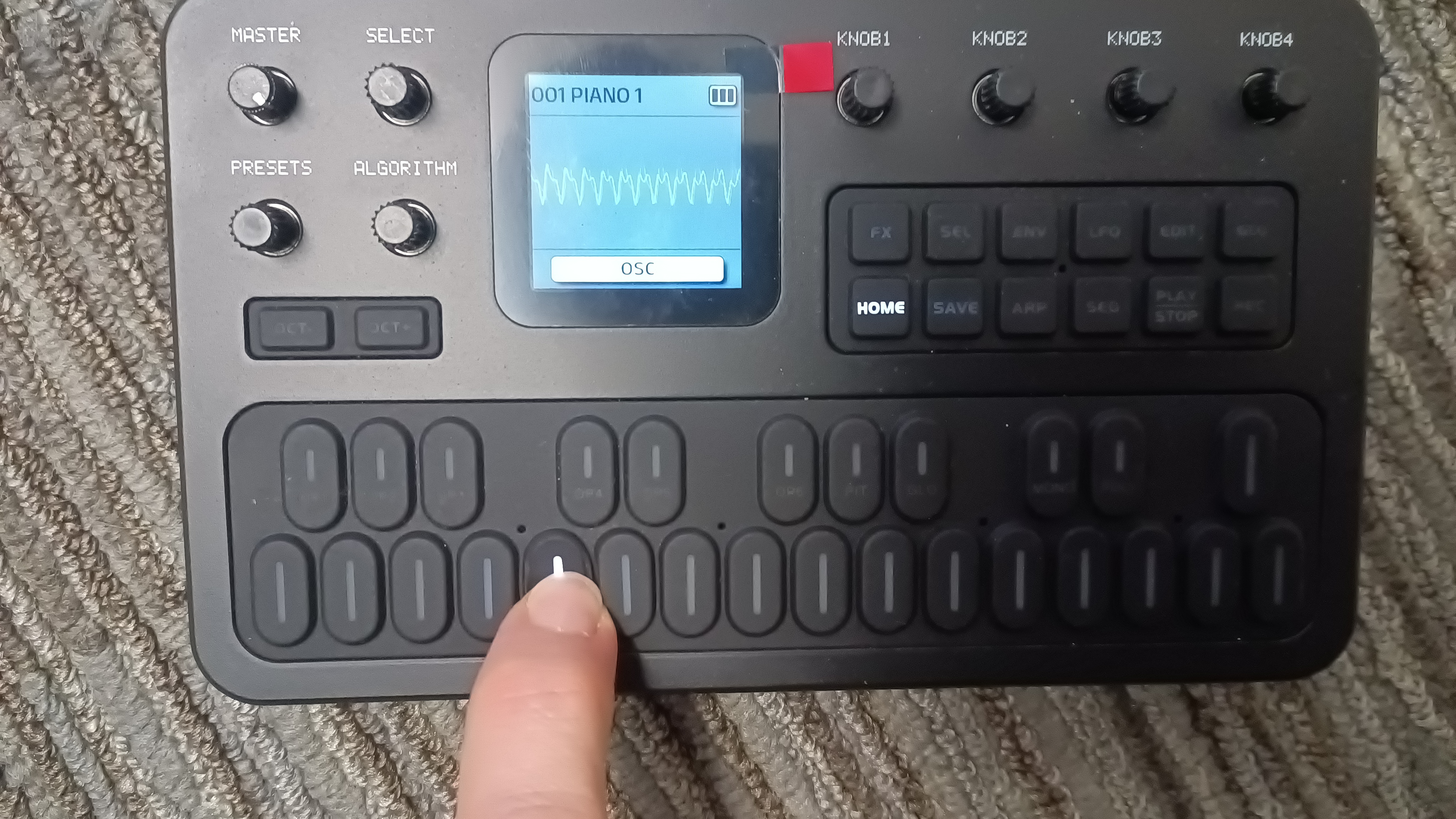
A photo of the M-VAVE FM-1 device. It is switched on, and a finger is pressing one of its keys (which is lit up). The screen shows a yellow waveform.

I previously wrote about some MIDI sound modules I bought recently, to help when playing around with MIDI controllers I might make - and I promised I'd describe them further. So here goes with the first...

Read more...

Rubik's cube: slide the side

python making electronics nablopomo ledpanel cube

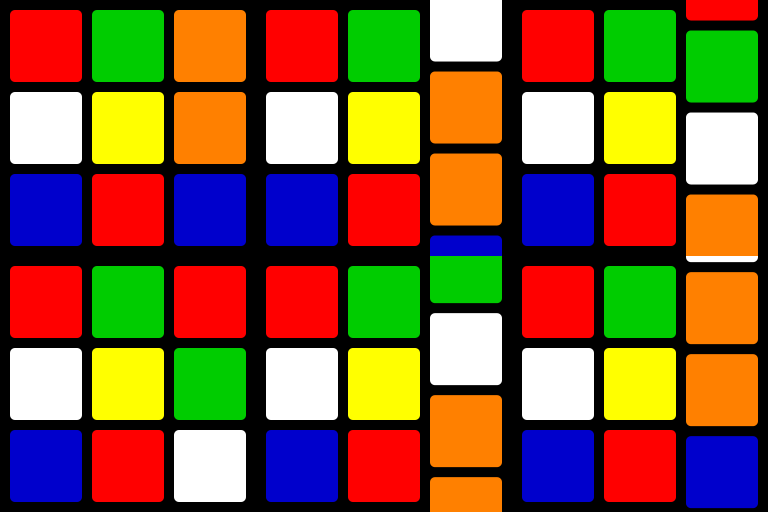
One face of a Rubik's cube, drawn by a script. All the six different colours are visible. The right-hand slice is rotated 90 degrees downwards, and then back again, repeatedly.

I recently posted about a potential project making a large, illuminated Rubik's cube. I'd created an animation of the face nearest the viewer being rotated. But, for completeness, we also need to be able to rotate other faces...

Read more...

ESPHome to Tasmota

tasmota nablopomo

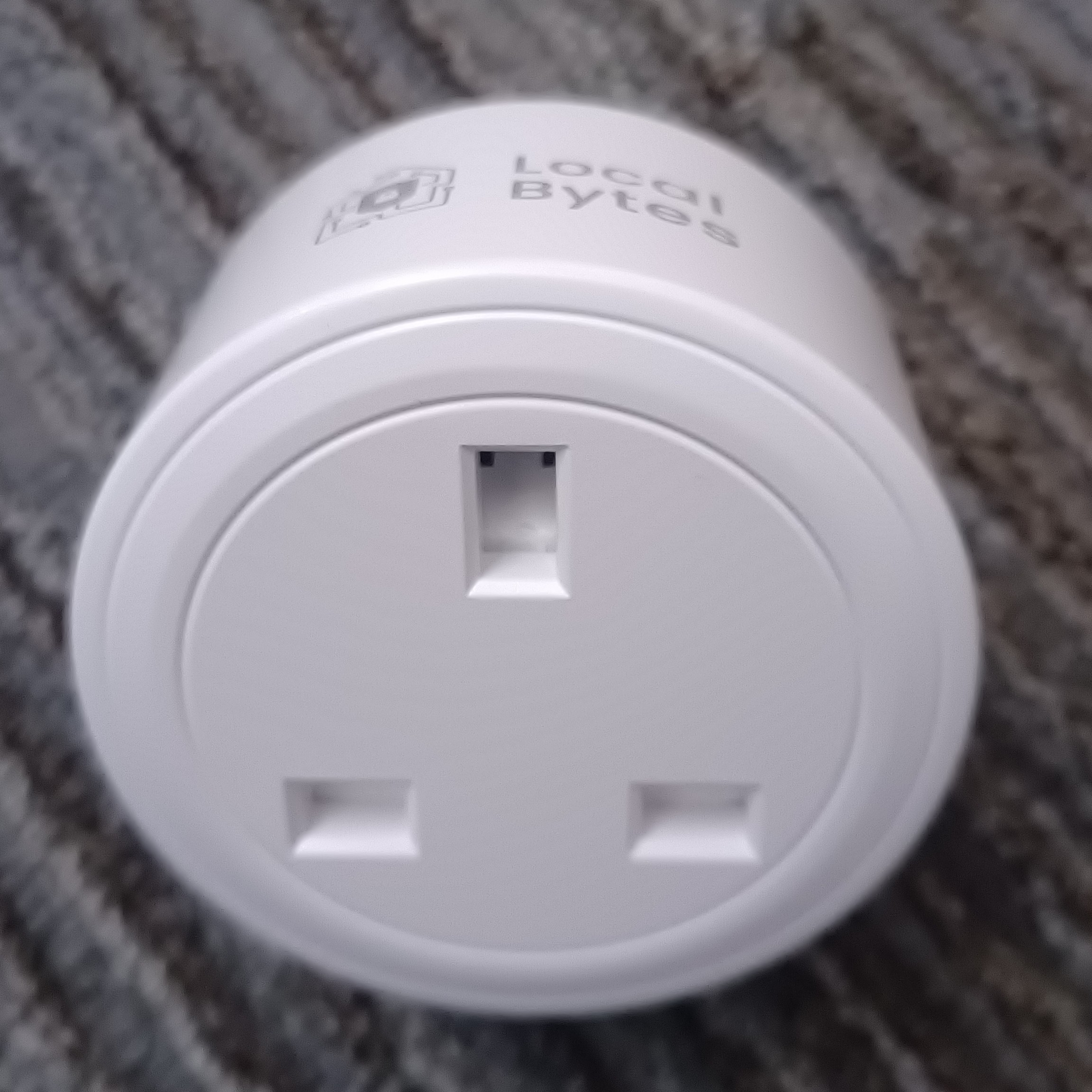
One of the "smart plug" devices described in the post.

As I've previously mentioned, I have a bunch of "smart plugs", that both measure power usage and allow devices to be turned off when not in use. For various reasons I needed a few more of these.

Luckily Local Bytes were selling some at a discount. Not so luckily, they were out of stock of ones pre-flashed with Tasmota, and only had ones running ESPHome. I want to keep all of them running the same OS (it's hard enough to keep track of them as it is), so that's not ideal.

But perhaps it's possible to switch from one to the other?

Read more...