Powering a Pi by PoE
2 weeks, 4 days ago raspberrypi nablopomo poe
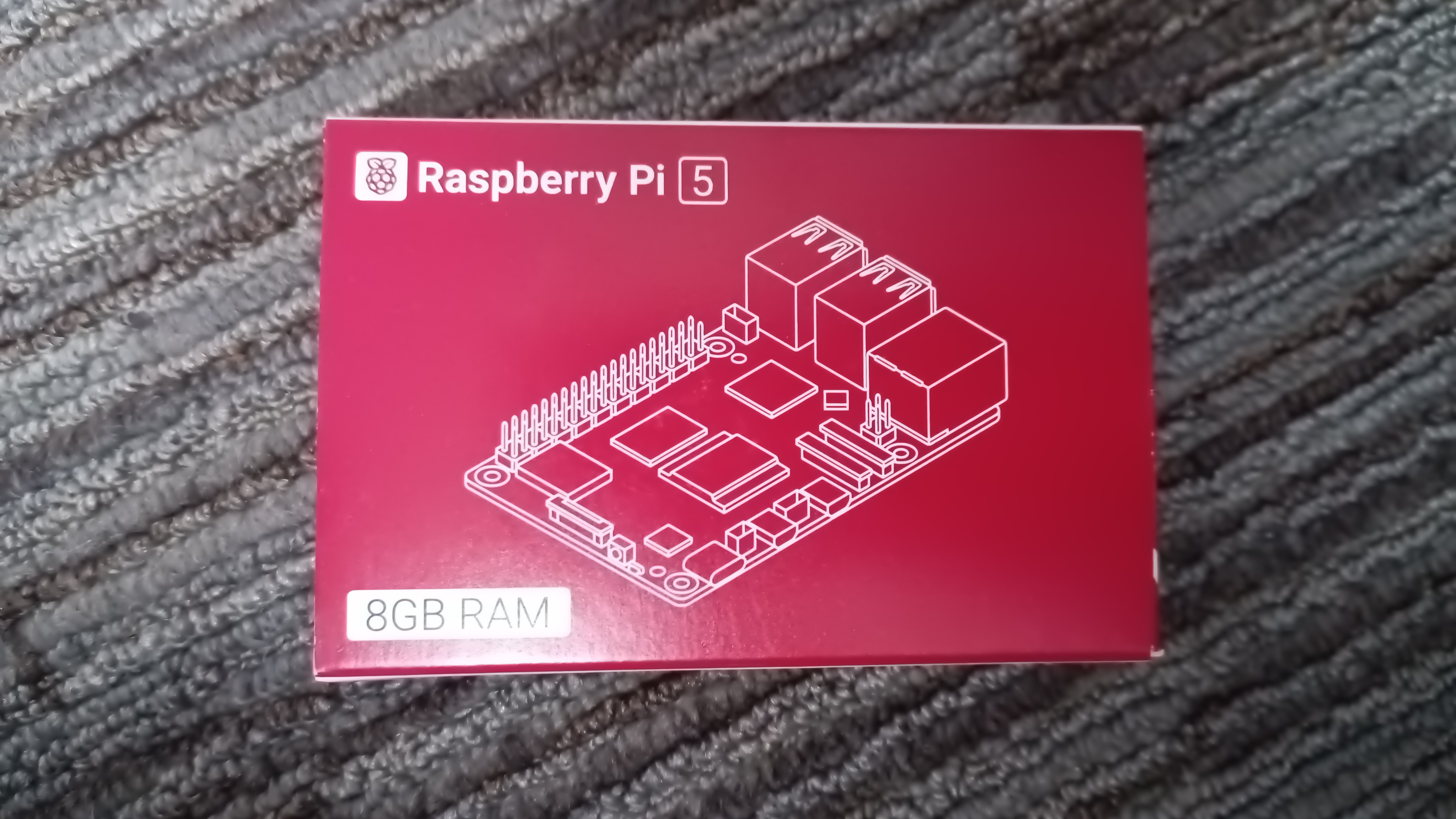
The Raspberry Pi is a very useful device: small enough to go in various corners where a "real" computer wouldn't fit, and efficient enough in terms of power consumption that you can leave it on without breaking the bank, and even power them with Power over Ethernet (PoE), meaning only one cable is needed for both power and network, keeping everything that little bit tidier.
Just plug in a network cable and it all "just works"? Sadly it's not quite that simple.
The newer models (in particular the Raspberry Pi 5) need a fairly beefy power supply, with a 5V, 5A supply recommended. That's not huge in the scheme of things (many lights will use more energy than that), but it is on the high side for the sort of USB power supplies we might want to use. And if the power supply can't keep up - the voltage will drop, and (at best) the Pi will complain bitterly or (worse) will crash and/or shut down.
And, if USB chargers that can supply this power are rare, PoE adapters that can do so are rarer still, but a few do exist. The problem is that - as I know from bitter experience - these adapters don't always live up to the claims of their specifications. I've had more than one PoE adapter that, on paper, would work fine - but when connected up to a Pi would flake out. Sometimes this would be obvious (the Pi wouldn't start up at all), but sometimes it would appear to work, and then conk out just when things were getting interesting - massively frustrating.
With this in mind, I set out to survey what's out there, do some tests, and figure out what's good and what's not. In further posts I'll describe what I did, the equipment I needed, and give the results (laud the winners, and name and shame the losers). Stay tuned...
0 comments