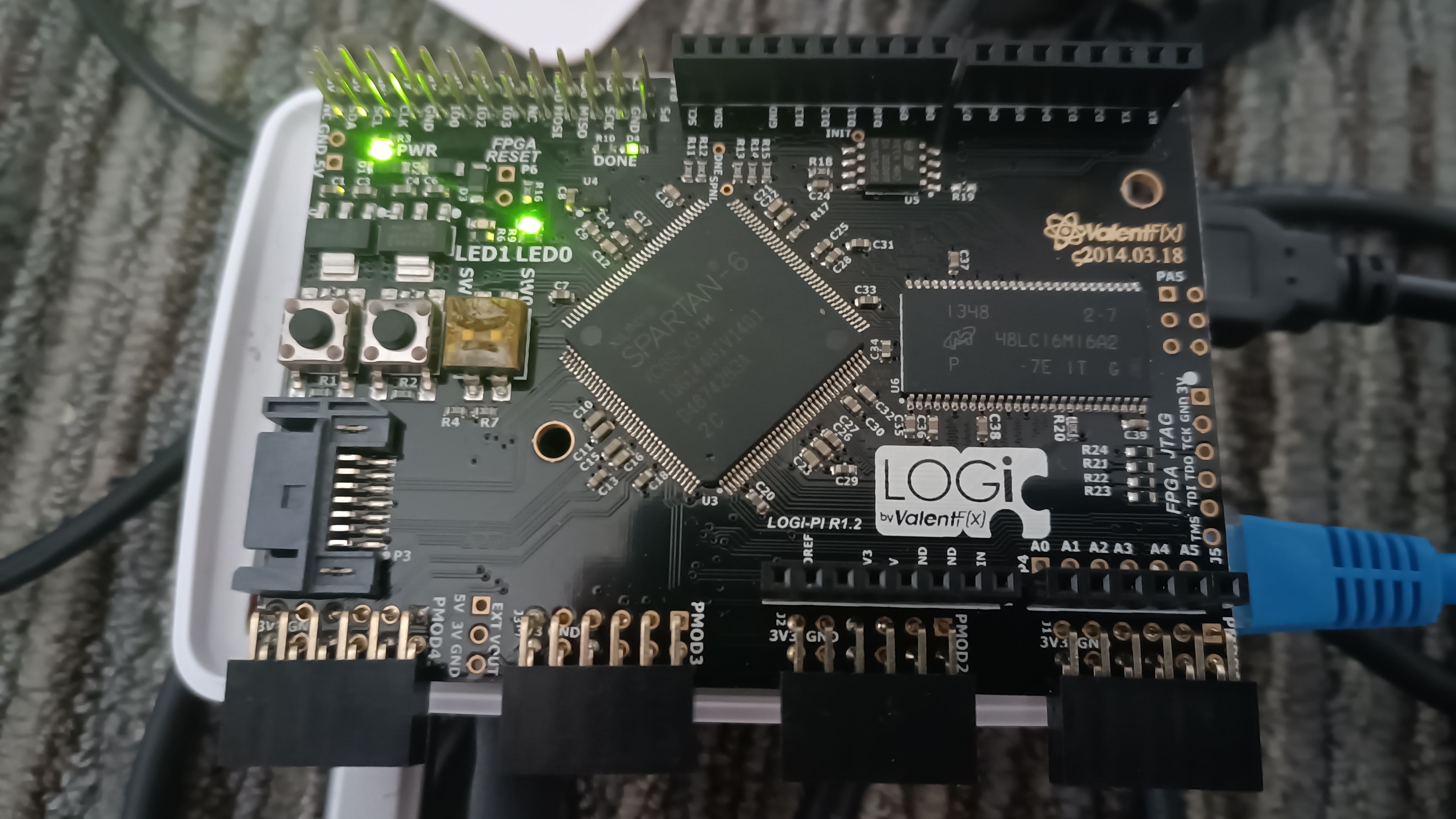
Way back in 2013, a Kickstarter crowdfunding campaign was launched, aiming to produce an FPGA board that would attach to a Raspberry Pi: the Logi-Pi. Since I was interested in learning more about programming FPGAs, and very excited about the (then very recent) launch of the Raspberry Pi, I supported the campaign, and received a board.
Sadly, for a variety of reasons, that board has sat on a shelf ever since: I didn't even manage to compile the demonstration projects for it! But with my recent interest in Amaranth, I thought it might be a good platform to try out some designs on actual hardware.
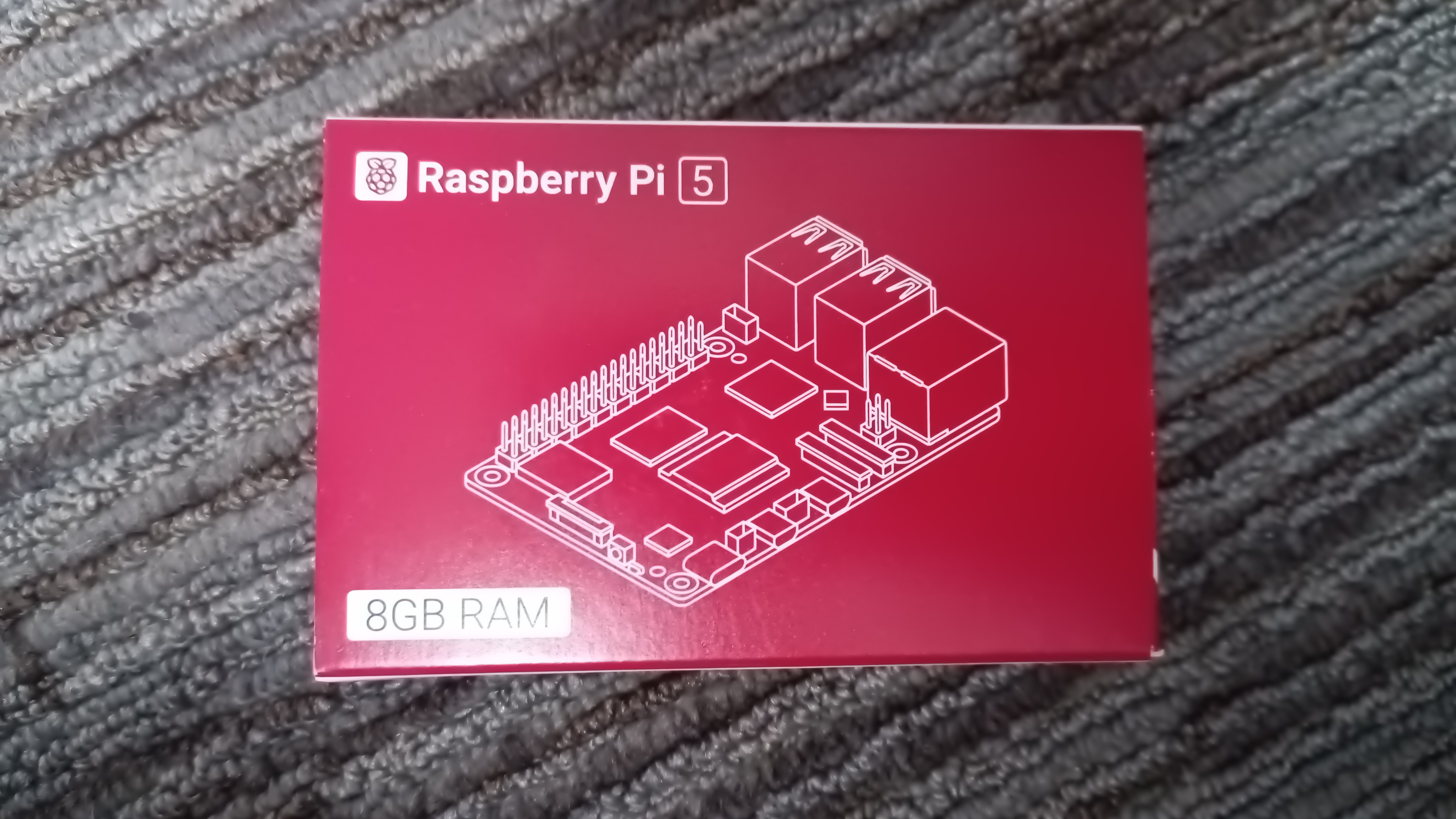
So I've dug it out, and will be trying to make it work on recent Raspberry Pi hardware and software. This will present a number of challenges:
- When the board was designed, there was only the original Raspberry Pi model B. This had a 26-pin GPIO header, where newer models have a 40-pin header. Though the headers are largely compatible, physical constraints may mean the board doesn't fit newer models so well.
- Even if I get the board to fit, the software for talking to the board will need some work: it works by accessing the control registers for the GPIO lines directly. That works fine when there is just one Raspberry Pi model in existence, but now that there are a whole family of them (and the registers are different on different models of the Pi's Broadcom system-on-a-chip) it's preferable to use a library that takes care of all the differences and presents a consistent interface. This will involve rewriting parts of the control software, whose source is fortunately available on GitHub.
- I'll have to find somewhere to run the FPGA toolchain. There doesn't seem to be a good open source toolchain for this FPGA (Xilinx Spartan 6 LX9), so I'll need the vendor's multi-gigabyte downloads, plus a beefier machine to run it on than a mere Pi!
Watch this space for progress...